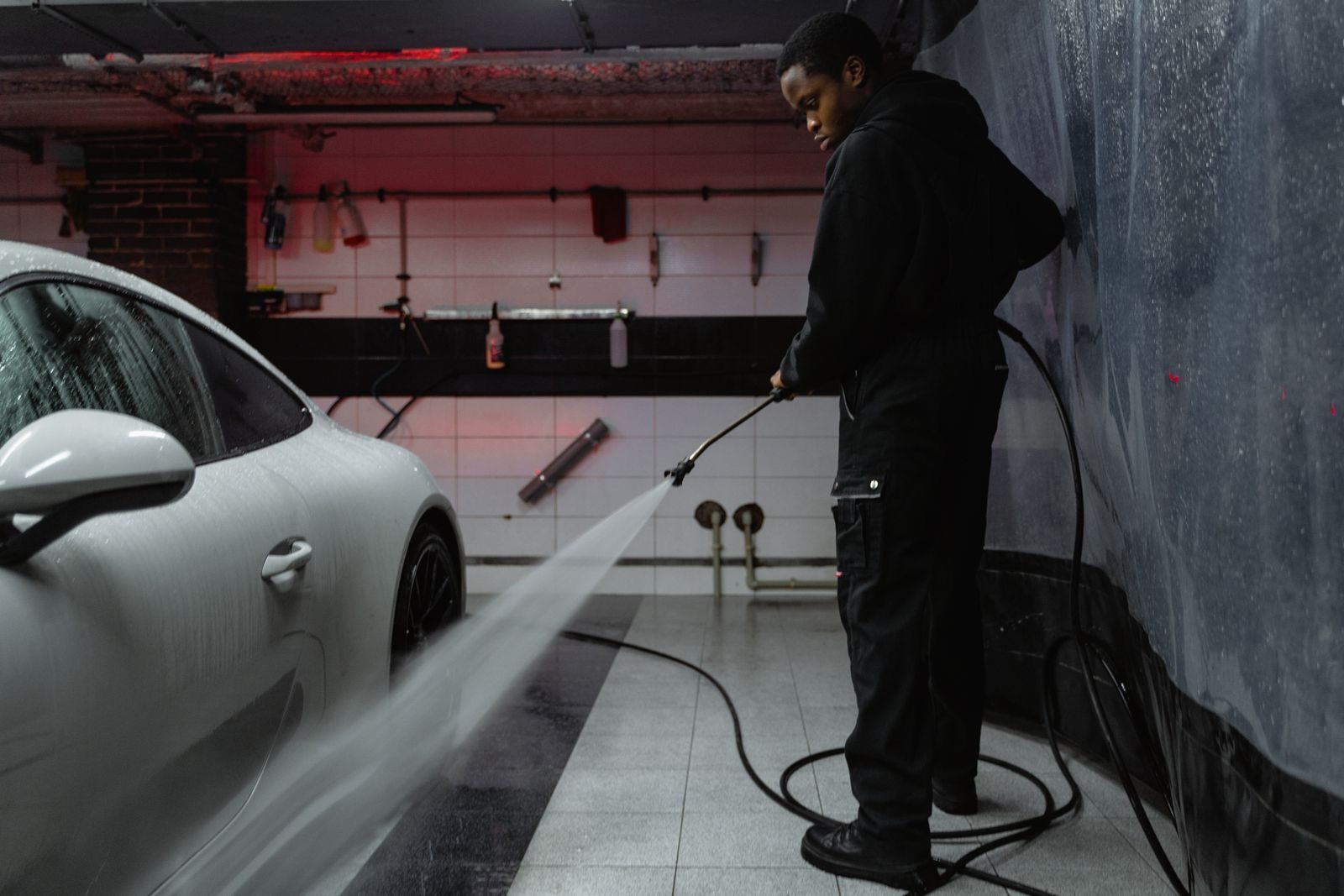
One standard. One name on the door.
684 Detailing is James Emory's shop. Every stage on the menu, from an Express Clean to a ceramic coating, is priced, done and handed over by the same person. When a detail turns up a dent or a scratch through the paint, that gets fixed here too. That is deliberate.
The idea
Most detailing is done in volume: three or four cars a day, a price list that says "full detail" and a result that looks good in the parking lot and not under the lights. The swirls are still there. The seams were not touched. The coating went on over paint that was never corrected.
684 Detailing is built the other way round. Six stages, each one the whole stage. Paint is measured before it is polished, every panel is inspected under detailing lights, and a coating only goes on once the paint underneath deserves it. Prices are confirmed before we start, and once agreed they do not move.
The shop also does auto body work, because the two trades keep running into each other. A detailer finds the scratch through the clear coat; a body shop hands back a repaired fender next to a swirled door. Here it is one conversation, one quote and one handover.
What every car gets.
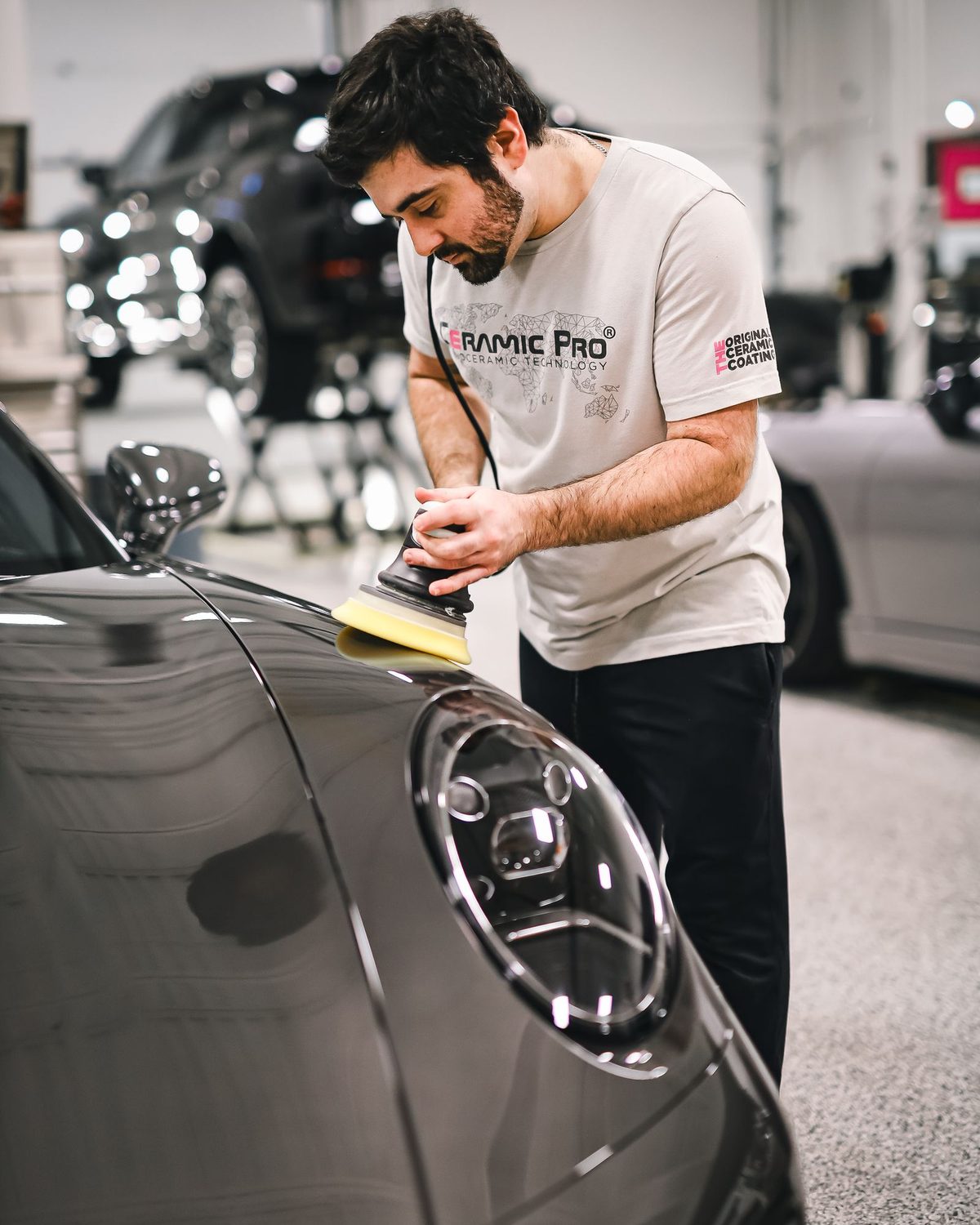
A twelve-year-old work truck gets the same process as a new Porsche. The materials change for the vehicle; the care does not.
Priced before we start
Starting prices on the menu, vehicle size added, condition agreed from photos or a quick look. Body work is quoted in writing after inspection. Neither moves without your approval.
Measured before polished
Paint thickness is read on every panel before a polisher touches it. The gauge shows where previous bodywork is and how much clear coat can safely be taken.
Inspected under proper light
High-CRI inspection lighting shows what the sun hides. Every panel is checked before, during and after, and you see it under the same light.
Honest about the car
If the paint only needs a one-step polish, you are told. If a scratch cannot be polished out and needs paint, you are told that too, with the numbers.
Materials and tools
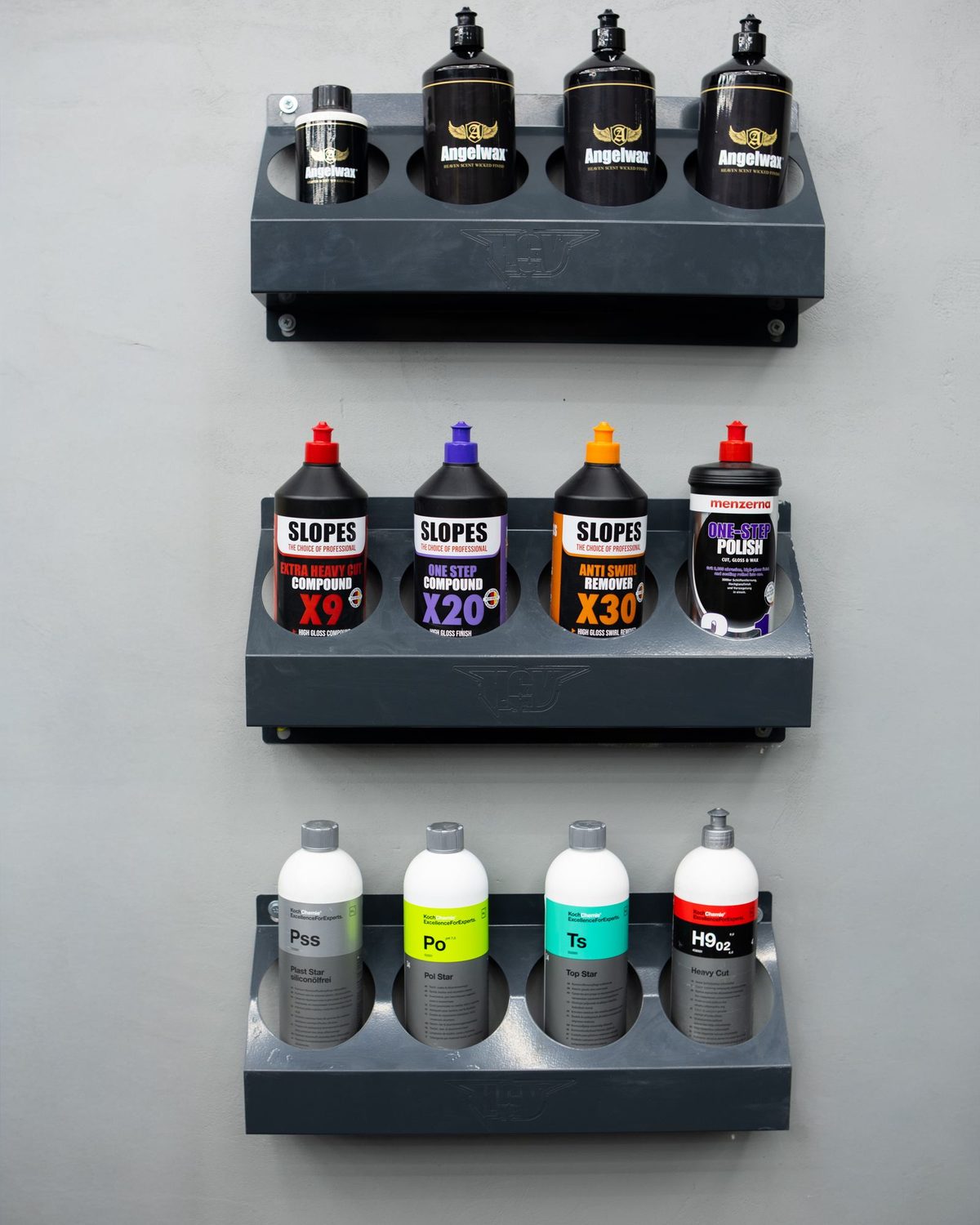
Professional-grade chemistry, pads and coatings chosen for the job rather than a single brand's catalog. pH-balanced soaps for coated paint, dedicated leather care, hot-water extraction for fabric, steam for the places a cloth cannot reach, and dual-action polishers that correct safely on modern thin clear coats. Coatings are applied in a controlled space and registered for warranty where the product supports it.
On the body side: professional refinish paint mixed to the factory code and checked by spray-out card, plastic welding for bumper covers, and a proper booth so dust does not end up in the clear coat.
The person doing the work.
Owner, detailer, body technician, and the person who answers the phone.
James Emory started 684 Detailing in Sussex County to do the job the way it should be done: measured and inspected rather than rushed, priced honestly before it starts, and finished so it looks like it was never touched. Every price, every detail, every repair and every handover is his, which is why the shop takes on what it can do properly and not what a bigger shop could do quickly.
[James: a short paragraph in your own words goes here. Where you learned detailing, where you learned body work, what you drive, and what "684" means if it has a story. Two or three sentences is plenty. A photo of you in the shop will replace the stock image above.]
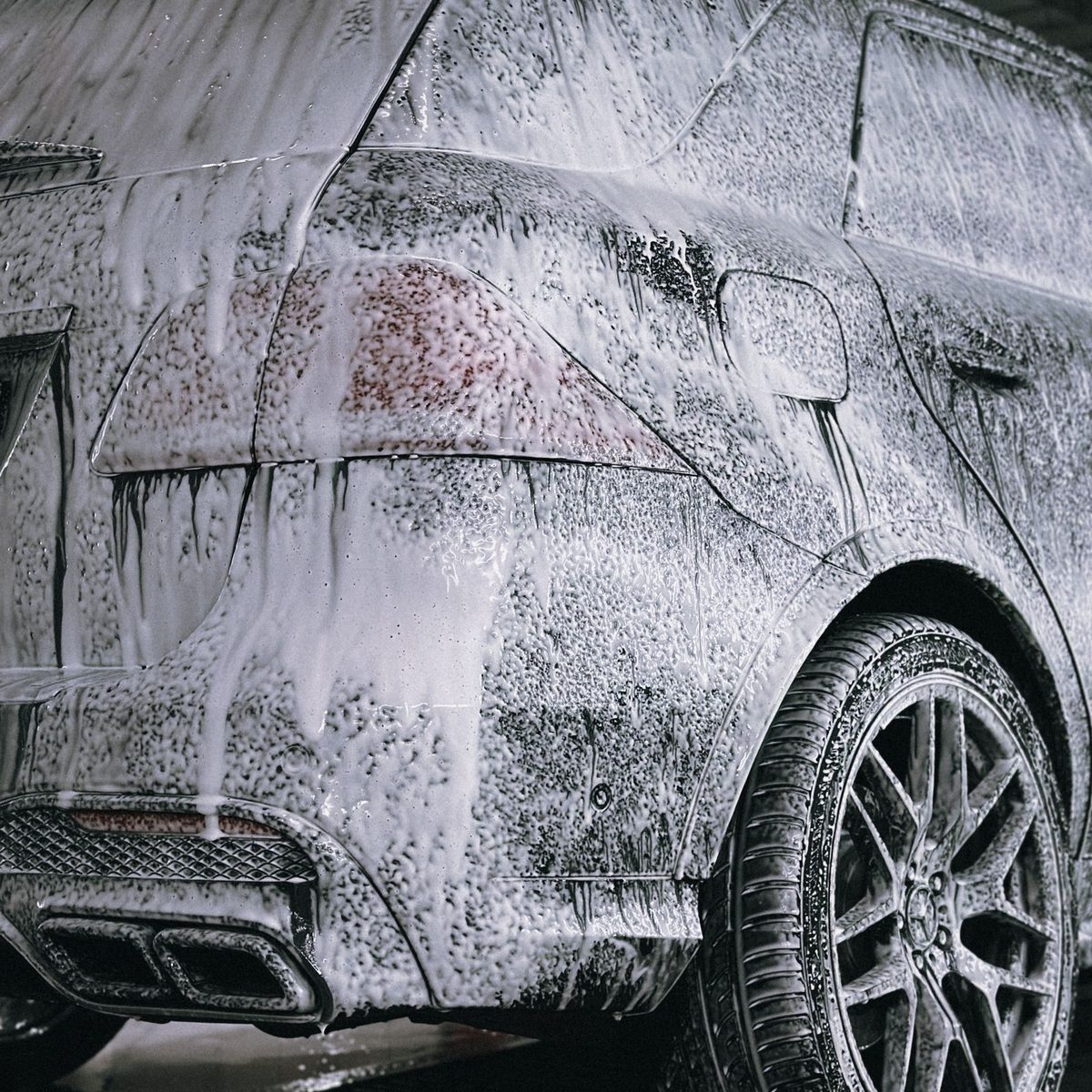
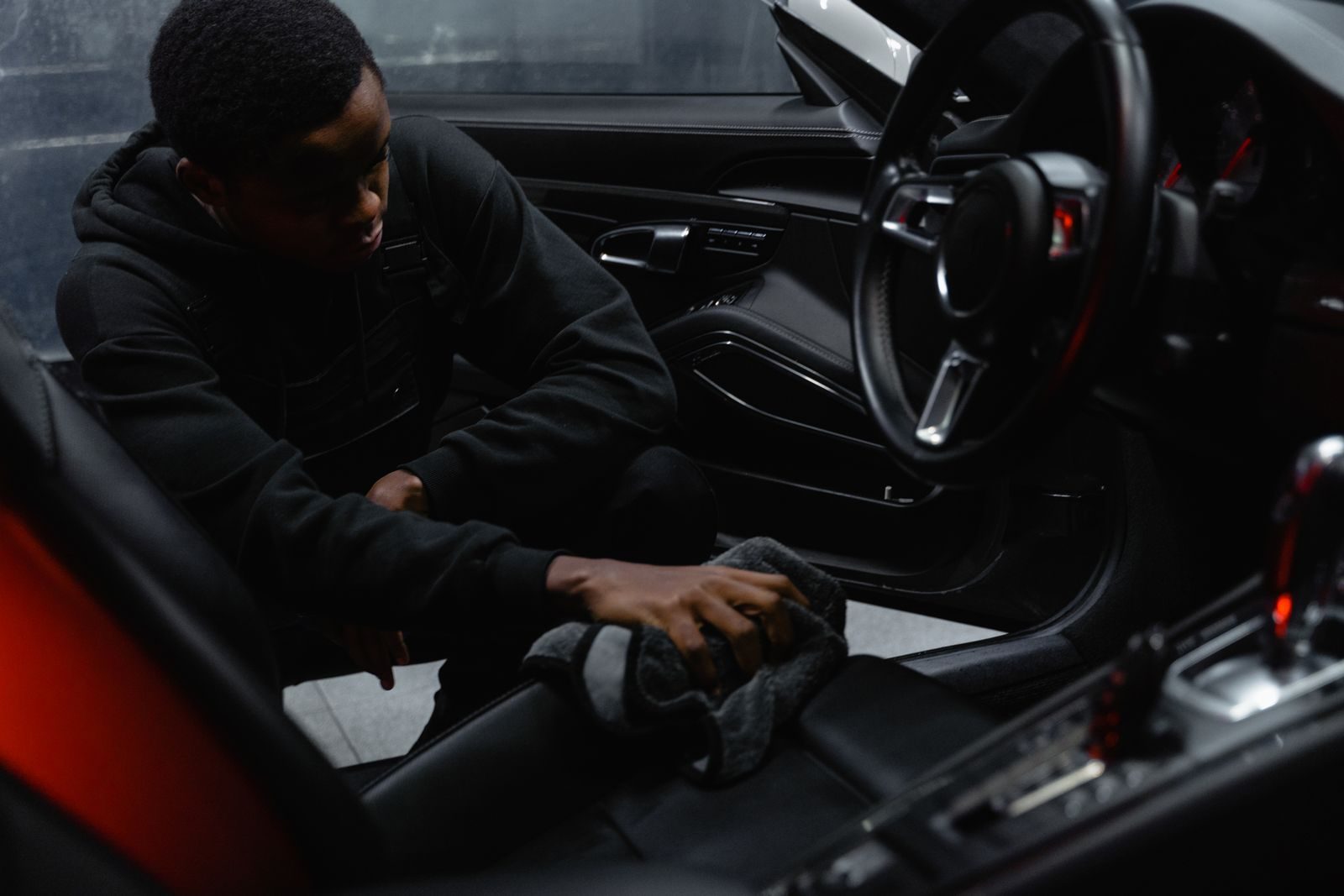
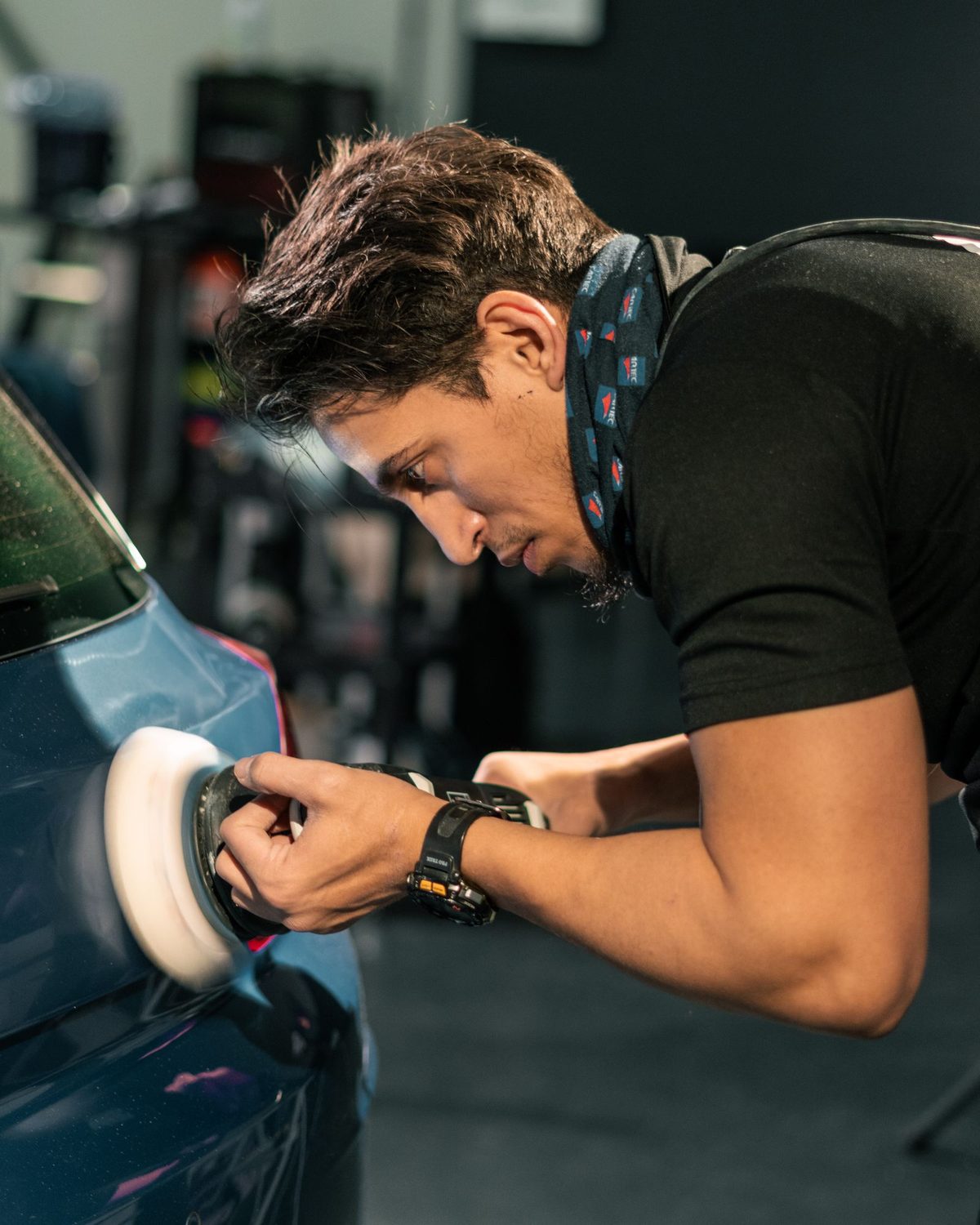
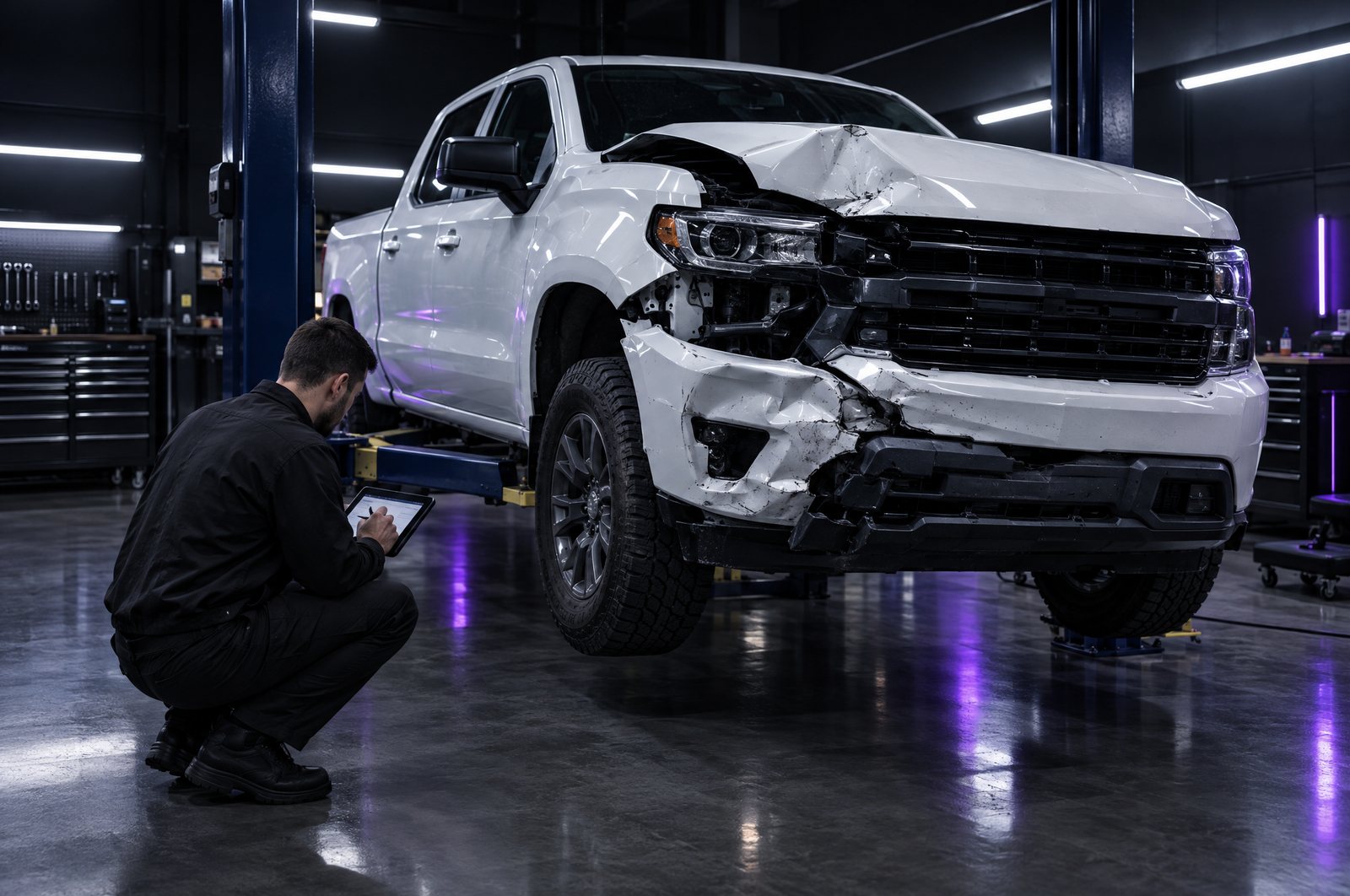
Photography shown is representative while the first 684 Detailing jobs are photographed.